English
 Русский
Saremo lieti di ospitarvi al nostro stand n. 22 B 81 a Milano durante il PLAST 2023 dal 5 all’ 8 Settembre.
Plast 2023 a Milano






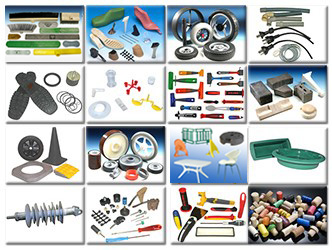
Dotarsi di macchine Presma Non Standard Technology significa annullare i limiti tecnici ed il livellamento qualitativo tipici dell’approccio Standard.
L‘esperienza acquisita in 85 anni di continue ricerche, in collaborazione con i clienti, ci consente di poter proporre con estrema sicurezza ed in modo inedito tecnologie d’avanguardia in un settore in cui il campo delle applicazioni si va sempre ampliando.
Saremo lieti di ospitarvi al nostro stand n. 22 B 81 a Milano durante il PLAST 2023 dal 5 all’ 8 Settembre.
Saremo lieti di ospitarvi al nostro stand n. 15 C 57 a Düsseldorf durante il K2022 dal 19 al 26 ottobre.
La nostra azienda, da sempre attenta all’utilizzo di energie rinnovabili e al rispetto dell’ambiente, mette da oggi a disposizione dei suoi clienti ospiti in azienda un punto di ricarica per veicoli elettrici.
Questo sito utilizza i cookie per migliorare la tua esperienza di navigazione su questo sito.
Visualizza la Cookie Policy Visualizza l'Informativa Privacy